


👋🏾 HI, HEY, HELLO! Welcome back to Congress Nerd Daily. I hope today was everything for you. The midterms are in 15 days.
FIRST THINGS FIRST
President Donald Trump signed an executive order this morning establishing a White House Women’s Health Task Force and a new Women’s Health Division at the National Institutes of Health, an initiative championed by First Lady Melania Trump to address gaps in medical research and improve women’s health outcomes throughout their lives.
Speaking alongside the president during a Rose Garden ceremony, the first lady outlined five priorities for the initiative: directing research funding toward conditions that disproportionately affect women, using artificial intelligence to accelerate medical discoveries, speeding the development of new treatments, and making medical breakthroughs more affordable and accessible.
“This is a transformative moment for women in America,” Melania Trump said. “Beginning today, we will change the reality of women’s health.”
The order also calls for collaboration with private-sector researchers and technology companies to develop new treatments and improve access to scientifically supported care.
The initiative addresses longstanding gaps in women’s health research. A 2025 National Academies report found that women’s health research accounted for just 8.8% of NIH funding between 2013 and 2023, with its share declining even as the agency’s overall budget grew. Trump’s order also revokes a 2024 Biden directive aimed at addressing those disparities and replaces it with a new federal framework.
VIEW FROM THE HILL
House Democrats have spent nearly a year preparing for potential interference in the midterm elections, identifying about 150 threats and narrowing the list to about 70 as they work with election lawyers, state officials and outside organizations to protect the results through the seating of the next Congress in January.
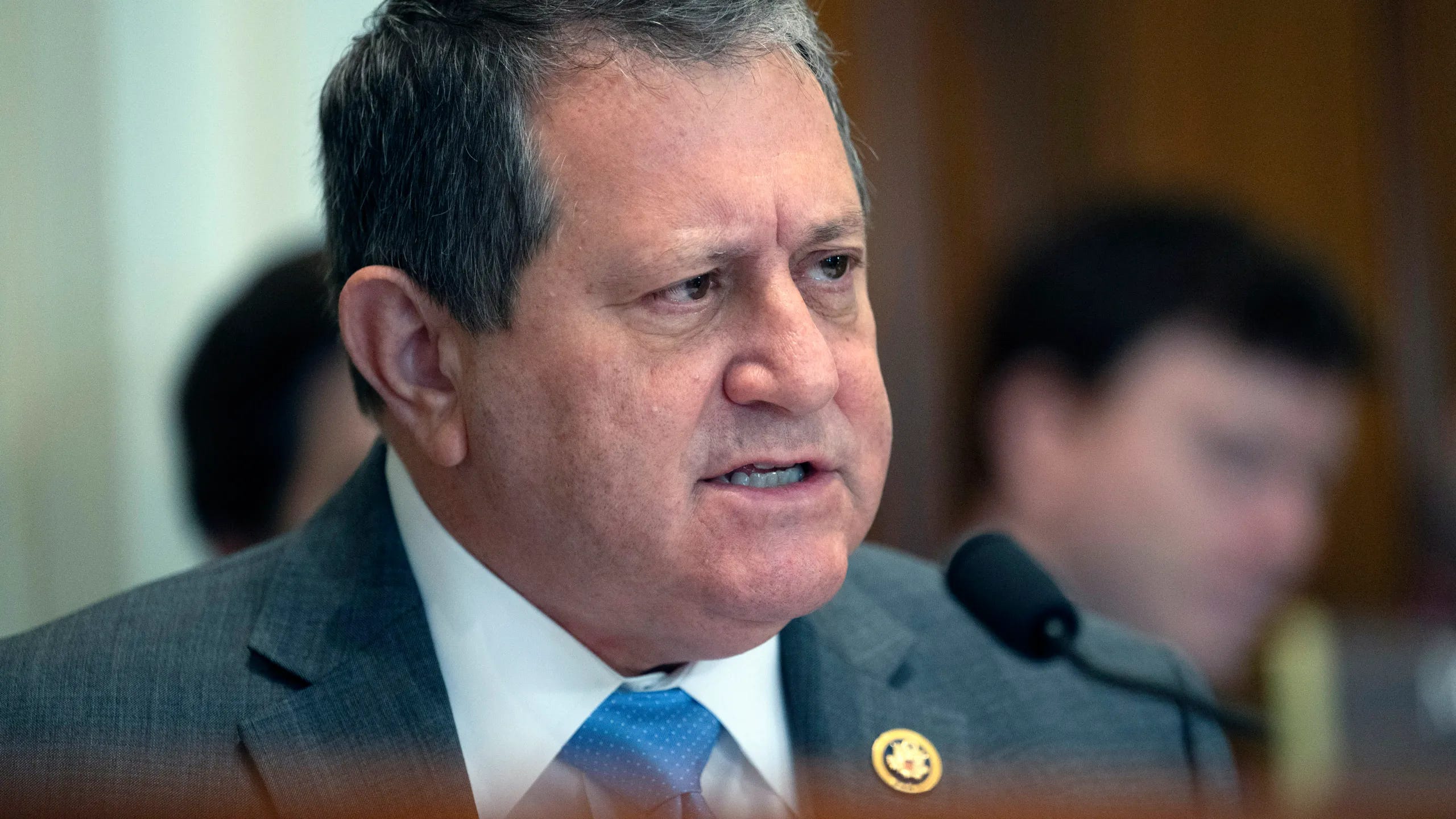
House Administration Ranking Member Joe Morelle (D-N.Y.) told me this afternoon Democrats have been assessing potential threats since late last year, coordinating litigation and communications strategies with Democratic governors, attorneys general, secretaries of state and civil society organizations. The effort extends beyond Election Day to January 3, when the newly elected Congress is scheduled to convene.
“We started with about 150 threats. We’re down to about 70 because threats keep getting taken off the board,” Morelle said, citing successful challenges to President Trump’s efforts to restrict mail voting and the failure of congressional Republicans to enact new voting restrictions.
The preparations reflect Democrats’ concern that winning enough seats to reclaim the House majority on November 3 may not end their fight. Trump’s attempts to overturn his 2020 presidential defeat have raised questions about whether his administration or Republican allies could challenge vote counts, delay certification or interfere with the seating of Democratic lawmakers if Republicans lose control of Congress.
During a press call organized by the voting-rights group Try And Stop Us, Morelle described a three-phase effort covering the period before Election Day, the counting of ballots afterward and the organization of the new House. His committee has conducted exercises examining potential election-interference scenarios and how lawmakers and their partners would respond, according to a former House Democratic aide familiar with the planning.
The aide said Morelle has consistently focused on the period between Election Day and January 3, when disputes over congressional election results could fall within his committee’s jurisdiction.
Morelle said his team remains in daily communication with Democratic officials and outside partners, including election lawyers Norm Eisen and Marc Elias, who have participated in discussions about litigation and communications strategy.
One concrete component is an official House election observer program that has attracted a record 275 staff volunteers, according to Morelle. The volunteers will receive training before being deployed to competitive congressional districts, where they can observe ballot counting and recounts and document potential irregularities.
