


👋🏾 HI, HEY, HELLO! Welcome back to Congress Nerd Daily. I hope today was everything for you. The midterms are in 19 days.
FIRST THINGS FIRST
President Donald Trump announced today that the Pentagon will not livestream the execution of Nidal Malik Hasan, reversing Defense Secretary Pete Hegseth’s controversial proposal following bipartisan criticism and widespread public opposition. Hasan, a former Army major and psychiatrist convicted of killing 13 people and wounding 32 others in the 2009 Fort Hood shooting, is scheduled to be executed by firing squad in December at the Texas military installation.
Trump said broadcasting the execution might have deterred future terrorist attacks but acknowledged that many people would rather not watch Hasan die. The president said immediate family members of the victims could witness the execution in person if they choose. The decision marks an unusual public reversal of Hegseth, who announced the livestream plan last week and defended it as a way to demonstrate the consequences of terrorism. A Pentagon spokesperson said that Hegseth supports Trump’s decision and the two are “completely aligned.”
The reversal follows objections from lawmakers in both parties, including Vice President JD Vance and House Speaker Mike Johnson (R-La.), who warned that broadcasting the execution could become a terrorist recruitment tool. A Washington Post–ABC News–Ipsos poll released today found 80% of Americans opposed livestreaming the execution, including 91% of Democrats, 83% of independents and 64% of Republicans. A narrower 53% majority supported executing Hasan by firing squad.
Trump also criticized the Obama administration’s handling of intelligence preceding the shooting, citing communications between Hasan and extremist cleric Anwar al-Awlaki that FBI investigators initially determined did not constitute a threat. Those communications later became the subject of scrutiny over intelligence failures preceding the attack. If carried out, Hasan’s execution would be the first by the U.S. military since 1961 and its first by firing squad since 1945.
VIEW FROM THE HILL
If House Democrats win the majority next month, they could gain new power to advance workers’ rights and scrutinize the Trump administration’s labor policies, opening a governing opportunity that has received less attention than their plans to investigate the president.
The House Education and the Workforce Committee would be central to that effort, with jurisdiction over federal labor laws, workplace protections and education and workforce development. Democrats could use the panel to advance legislation that raises wages, strengthens collective bargaining and protects workers from unsafe conditions, while investigating the administration’s enforcement of existing labor laws.
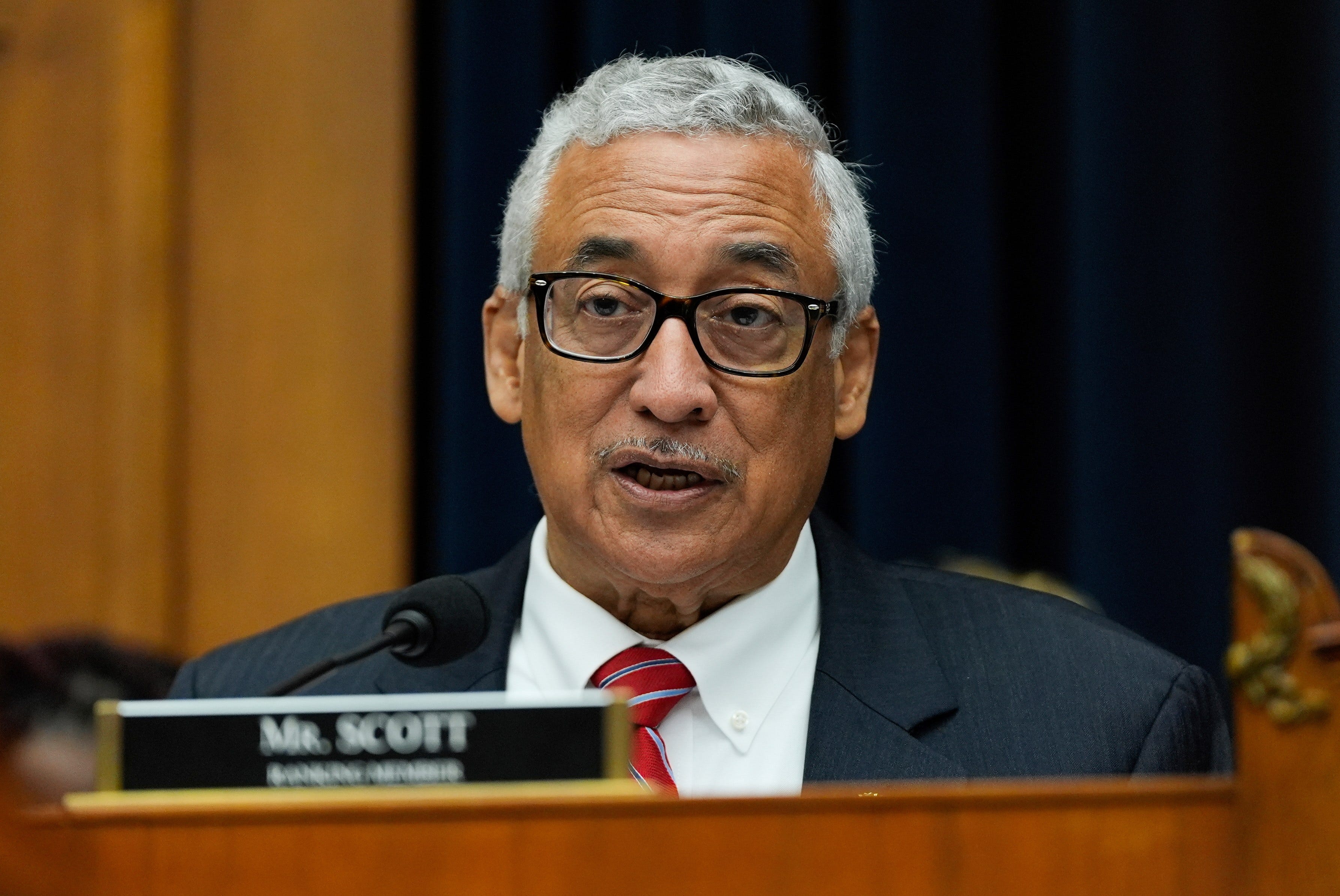
Statements and policy materials provided to Once Upon a Hill by the offices of Ranking Member Bobby Scott (D-Va.) and Suzanne Bonamici (D-Ore.), both seeking to lead the committee in the next Congress, offer an early look at the legislative and oversight priorities Democrats could pursue if they regain the majority.
Their ability to enact sweeping reforms would remain limited by Republican control of the Senate and White House. But a House majority would give Democrats control over committee agendas, hearings and investigations, along with greater influence over government funding negotiations.
The agenda could extend well beyond the Protecting the Right to Organize (PRO) Act, the long-standing Democratic proposal to strengthen workers’ ability to unionize and collectively bargain that passed the House but stalled in the Senate when Democrats last controlled Congress.
The Raise the Wage Act would gradually increase the federal minimum wage to $17 an hour, while the LET’S Protect Workers Act would strengthen penalties against employers that violate workplace safety, child labor and other federal labor protections. Both measures have been championed by Democrats on the Education and Workforce Committee.
Other potential priorities include stronger protections against worker misclassification, paid family and medical leave, federal workplace safety standards and policies supporting child care and other care-economy workers. Those proposals would require legislative negotiations and, in most cases, Republican cooperation to become law.
