

First Things First
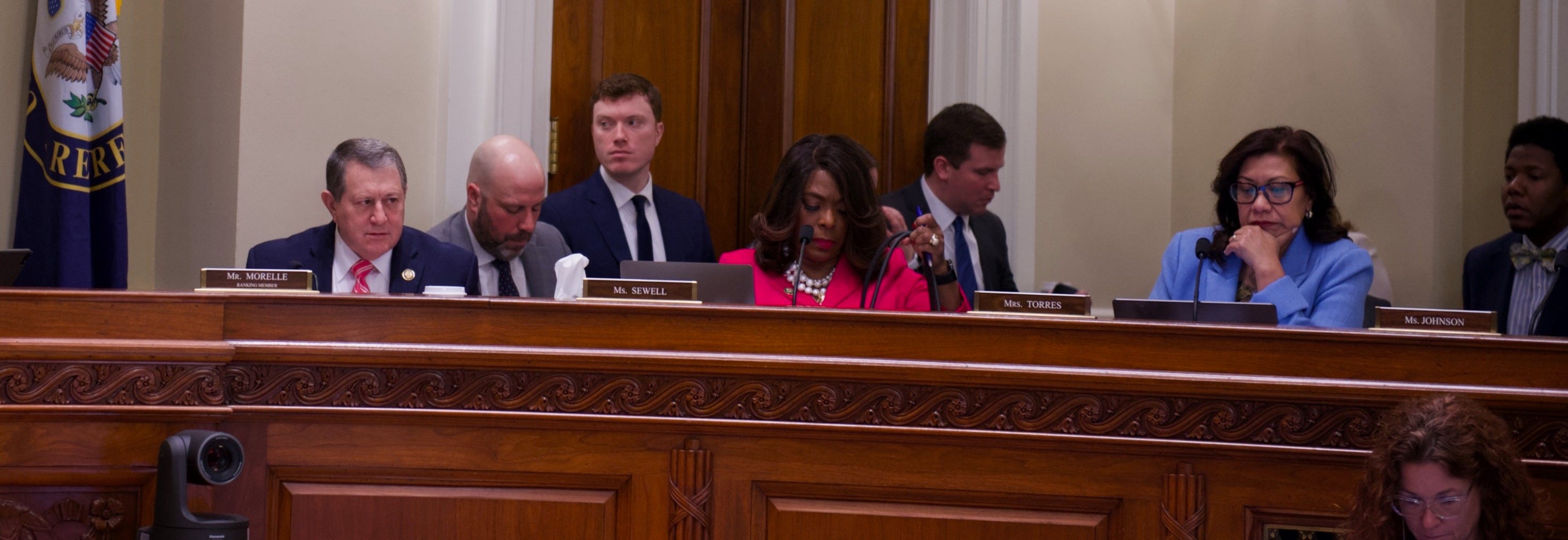
House Republicans this morning rejected a series of Democratic amendments to include the executive and judicial branches in a GOP-backed proposal that would ban members of Congress, their spouses, and dependent children from purchasing publicly traded stocks.
The bill, entitled the Stop Insider Trading Act, would also require advance public notice before any stock sales and is pitched by Speaker Mike Johnson (R-La.), House Majority Leader Steve Scalise (R-La.) and House Administration Committee Chair Bryan Steil (R-Wisc.) as a tougher follow-up to the STOCK Act aimed at curbing conflicts of interest and restoring public trust in Congress.
But the measure, which advanced out of committee during a markup this morning, reflects an abrupt halt to the rare bipartisan moment members demonstrated last year toward banning congressional stock trading, as frustration with the limits of the STOCK Act appeared to have reached a critical mass. (78 members signed a discharge petition sponsored by Anna Paulina Luna (R-Fla.) to force a vote on a ban.)
“I think they were getting too much traction on doing an outright ban,” House Administration Committee Ranking Member Joe Morelle (D-N.Y.) told me ahead of a panel meeting to mark up the legislation. “And so this is a way to take pressure off the many Republicans who had signed the discharge petition.”
Morelle said he would oppose any ban that excluded the president, vice president, and members of the Supreme Court because restrictions limited to the legislative branch would fall short of fully restoring public confidence that federal officials are fighting on their behalf rather than for their stock portfolios.
He also argued the Republican bill failed to live up to its name, warning that it does not actually stop lawmakers from trading stocks. He said members could still sell their holdings, reinvest dividend income to grow existing positions and even expand their exposure through commodities and futures trading, while new loopholes would allow assets to be held through spouses, dependent children, or aging parents—arrangements he suggested could easily cycle wealth back to a lawmaker through inheritance.
“There’s too many ways to get around this,” Morelle said. “It essentially says, ‘If you have great wealth, and you come to Congress, you can continue to have great wealth.’ And that’s not what we want.”
