


First Things First
👋🏾 Hi, hey, hello! Thank you for waking up with Congress Nerd Sunrise. I hope you had a wonderful Memorial Day weekend. Congrats to New York Knicks fans on your team making it to the NBA Finals for the first time since 1999—the year Law & Order: Special Victims Unit debuted on NBC. Related: Learn the backstory behind Mariska Hargitay and Knicks star Jalen Brunson‘s cute friendship.
📬 Send me tips, scoops or just say hi: michael@onceuponahill.com.
Texas voters head to the polls today for a slate of runoff elections that could reshape the ideological makeup of both parties’ congressional delegations heading into the 2026 midterms, with battles testing the strength of President Trump’s grip on the GOP, Democrats’ generational tensions and the limits of the party’s tolerance for inflammatory rhetoric.
The marquee contest remains the Republican Senate runoff between four-term incumbent Sen. John Cornyn and Texas Attorney General Ken Paxton, which became an even bigger proxy fight over the future of the GOP after Trump endorsed Paxton last week over the objections of Senate Republican leadership. Cornyn allies have warned Paxton could jeopardize a seat Republicans have long taken for granted, while Paxton has cast the race as a final blow against the Texas GOP establishment.
Down ballot, Republicans are also watching the attorney general runoff between Rep. Chip Roy and state Sen. Mayes Middleton to replace Paxton, while Democrats are closely tracking a bitter North Texas clash between Rep. Julie Johnson and former Rep. Colin Allred for the open seat being vacated by Rep. Marc Veasey.
Meanwhile, the Democratic runoff in Texas’s 35th Congressional District has spiraled into a national embarrassment for the party after candidate Maureen Galindo drew widespread condemnation from Democrats last week over antisemitic remarks. House Democratic leaders and outside groups have rallied behind Bexar County Sheriff’s Deputy Johnny Garcia, while party officials also raised alarms over a mysterious six-figure outside spending campaign boosting Galindo’s candidacy.
Another closely watched Democratic race pits Rep. Al Green against Rep. Christian Menefee in a contest that has become a broader test of the party’s generational divide. Menefee spent the final stretch of the race campaigning across Houston-area churches and polling locations while arguing his three months in office have proven he’s the long-term leader for his district, which has had three representatives in two years (two of whom have died in office), while Green has leaned on his decades-long standing inside the district and national profile as one of Trump’s fiercest critics.
What Paid Subscribers are Reading
In last evening’s Congress Nerd Sunset, I wrote about how Sen. Tina Smith (D-Minn.) said Minnesota communities are still reeling from the fallout of President Trump’s Operation Metro Surge months after the deaths of Renee Good and Alex Pretti, while previewing how Democrats planned to turn the Senate GOP’s stalled Senate reconciliation bill into a broader argument about immigration enforcement, accountability and affordability during the debate and vote-a-rama that never happened. Still on the free plan? Upgrade your subscription for full access to this report and all future editions of Sunset.
Happenings
The Senate will meet at 8 a.m. and the House will meet at 11 a.m. for pro forma sessions.
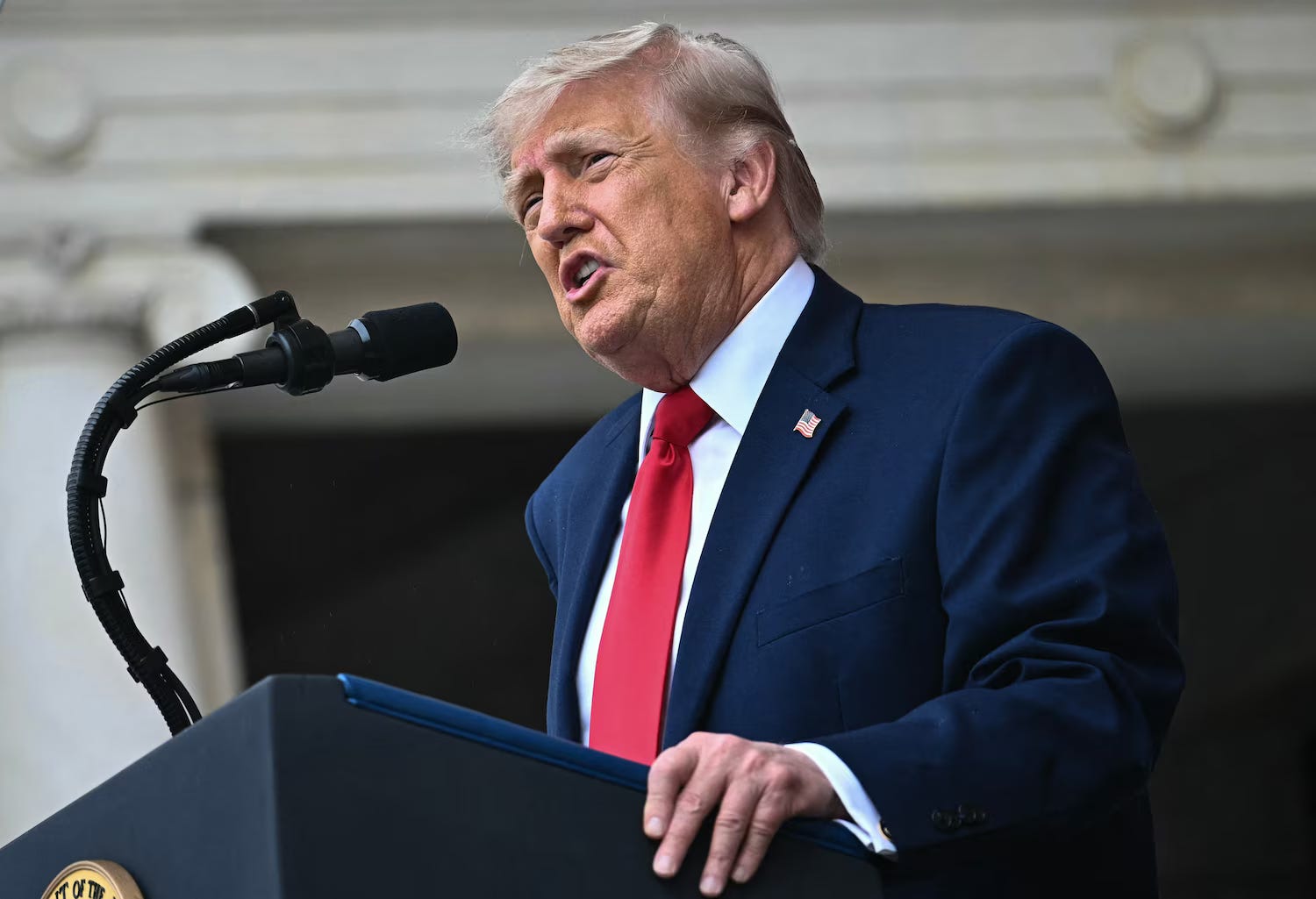
President Trump will visit Walter Reed National Military Medical Center to greet service members and staff before undergoing a physical exam. Once back at the White House, Trump will participate in a series of policy meetings before hosting a dinner in the Rose Garden.
Hill leaders grapple over latest round of Iran talks: House Democrats left Washington last week enraged that Republican leaders postponed an Iran War Powers Resolution vote the GOP was on track to lose due to Republican absences and a weeks-long Democratic whip effort that unified the caucus behind limiting President Donald Trump’s military authority in the Middle East without congressional approval.
Republicans are hoping the political and military landscape looks dramatically different by the time Congress returns next week. The Trump administration and Iranian officials appear to be inching closer to a potential diplomatic off-ramp after nearly three months of war, even as the U.S. launched new “self-defense” strikes inside Iran amid what officials described as a fragile and uneven ceasefire.
Trump said on Monday that any agreement would need to be “great and meaningful,” while administration officials privately projected cautious optimism about the direction of the talks. A senior administration official told CBS News the two sides have reached a “broad commitment” on the core principles of a deal, including reopening the Strait of Hormuz, reducing regional military tensions and restarting formal nuclear negotiations.
He also dramatically expanded the public scope of the negotiations this week, stipulating that any agreement with Tehran should be paired with a sweeping expansion of the Abraham Accords to include additional Arab and Muslim-majority nations—and potentially even Iran itself—in what Trump cast as a historic regional realignment effort.
But the toughest questions are still on the table. The administration is pushing for a sanctions-for-verification arrangement that would require Iran to dispose of its highly enriched uranium stockpile before receiving meaningful sanctions relief. Some reports suggested Iranian leadership had agreed in principle to major uranium concessions, although Iranian officials publicly pushed back on that characterization and denied a final agreement was imminent.
The negotiations have increasingly become a regional effort, with Qatar, Saudi Arabia, the United Arab Emirates and Pakistan all playing behind-the-scenes roles as intermediaries or pressure points amid fears the conflict could further destabilize global energy markets and send oil prices even higher.
At the same time, the administration is maintaining its pressure campaign. The Treasury Department imposed fresh sanctions on Iranian financial networks and oil transport vessels earlier this month, underscoring Trump’s effort to negotiate from a position of maximum leverage rather than offering early concessions.
The emerging diplomacy has also exposed familiar political fault lines in Washington. Iran hawks inside the Republican Party and parts of the pro-Israel movement have warned against giving Tehran too much breathing room, while anti-war lawmakers in both parties continue pressing the administration to pursue a durable settlement and avoid a prolonged regional conflict with mounting economic and political costs back home.